7,000-Year-Old Fire-Making Toolset Discovered in Jiangsu Province, China.
In an astounding find that brings age-old Chinese legends to existence, researchers have located a 7,000-year-old set of fire-starting instruments at the Caoyangang location in Jiangsu Region, China. This find is not solely technologically advanced, but it also serves as a tangible link to the age-old practices mentioned in Chinese folklore.
An Archeological and Cultural Wonderous Site
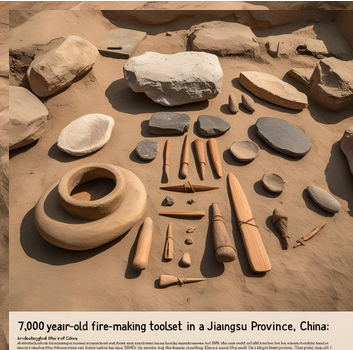
The Caoyanyang site extends over 80 thousand square meters and has over the years provided a lot of artifacts from prehistoric China. It has become a archaeological hotspot. Under the supervision of Gan Huiyuan from the Jiangsu Provincial Institute of Cultural Relics and Archeology, the team discovered a remarkably well preserved set of fire-making tools consisting of a fireboard and drill stick. These tools, along with many other artifacts unearthed at the site, are estimated to be around 7000 years old. This serves as a window into the past revealing how ancient humans developed arguably one of the most essential skills for survival fire.
The surroundings of the site itself serve as an outstanding method to study ancient civilization.
The Fire-Making Tool Set: An Examination of the Antiquities
The fire-making set discovered at the site is in pristine condition. The wooden drill stick is over 60 centimeters long and the fireboard is longer than 30 centimeters. The fireboard is made of brown wood and exhibits a greater than ten well-defined scorch marks and deepened black circular indentations indicating excessive usage for fire-making. The marks left behind from the friction of the drill stick are indicative of how these ancient people made heat and fire kindling.
Oddly enough, one end of the circular fireboard possesses a notch which indicates the fireboard may have been designed for easier carrying or hanging. This feature suggests that the tool was made with some level of sophistication. It is apparent that the people of this era did not solely use fire for cooking or warming the cold; they had a very efficient way of making fire when it was needed.
In addition to the fire-making tools, archaeologists uncovered over three thousand additional pieces at the site. These include pottery, bone and wooden tools, and remains of animals like deer, pigs, cattle, and dogs. Even traces of water plants were discovered, which help researchers better understand the ecological complexity and the lifestyle of those prehistoric communities.
Consequences for Comprehending Prehistoric China
The fire-drilling toolset is part of China’s prehistoric cultural setting and was discovered at the Caoyang site. Such a find offers fresh perspectives on the technological and social advancement patterns of early humans. This discovery helps validate the frictional fire-making myth as it assumes ancient civilizations had existing practical tools of fire-making.
Focusing on social structure, the evidence excavated from the Caoyangang site suggests a more developed neolithic culture in this region of China, which aids in helping construct a general description of pre-historic China. These artifacts and the fauna remains exhibited show that a more advanced civilization had begun to practice farming, animal herding, and possessed higher levels of cultural sophistication than was previously believed possible. These primitive men were actively altering their environment rather than merely trying to live in it.
From Ancient History to Contemporary Modern Society
The fire drilling toolset uncovered at Caoyang is certainly an archaeological treasure. This is because its existence helps further comprehend how modern humans came into existence. The fire-making knowledge gotten from the toolset further provides that these ancient people practiced some Constructive methodologies for example, using fire for drilling. Therefore, it is easiest to visualize how these people lived, worked, and interacted with their surroundings by observing the site’s artifacts.
Archaeological Site Report From the Ancient Near East
Creating an archaeological site report from the ancient Near East involves documenting the findings, interpretations, and contextual information related to an archaeological site in the region. These reports are crucial for preserving and sharing the knowledge gained through archaeological investigations.
Here’s an outline of what a typical archaeological site report might include:
- Introduction:
- Background information about the ancient Near East and the specific region where the site is located.
- Brief overview of the site’s historical and cultural significance.
- Research objectives and questions that the excavation aimed to address.
- Site Location and Description:
- Detailed geographical location, including coordinates and maps.
- Description of the site’s topography, surrounding landscape, and natural features.
- Historical Context:
- Historical background of the ancient civilization(s) that inhabited the region.
- Chronological framework of the site’s occupation phases and historical context.
- Excavation and Methodology:
- Description of the excavation techniques and methodologies used.
- Details about the trenches, units, and areas excavated.
- Explanation of the stratigraphy and layers encountered during excavation.
- Information about any specialized tools or equipment used.
- Archaeological Finds:
- Detailed catalog of artifacts, ecofacts (organic remains), and features uncovered.
- Analysis of pottery, tools, architecture, human and animal remains, etc.
- Interpretation of the significance of these findings within the cultural and historical context.
- Chronology and Dating:
- Explanation of the dating methods used to establish the site’s chronology.
- Information about radiocarbon dating, stratigraphy, typology, or other techniques.
- Interpretation and Significance:
- Analysis of the findings in relation to the research objectives.
- Interpretation of the site’s function, occupation history, and cultural practices.
- Discussion of the site’s role in regional trade, economy, or political dynamics.
- Comparative Analysis:
- Comparison of the site’s findings with similar sites in the ancient Near East.
- Exploration of regional trends and variations.
- Conclusions:
- Summary of the main findings and interpretations.
- Addressing the research questions and objectives.
- Recommendations:
- Suggestions for further research or exploration at the site.
- Proposals for conservation, preservation, or public engagement.
- Bibliography:
- List of references and sources used during the research and report writing.
- Appendices:
- Detailed artifact and feature drawings or photographs.
- Additional data tables, maps, and charts.
Archaeological site reports play a crucial role in advancing knowledge about the ancient Near East and its civilizations. They provide a foundation for future research, conservation efforts, and public education about the cultural heritage of the region.
Archaeologists find ancient city in jungle
The discovery of ancient cities hidden in jungles is not uncommon in the field of archaeology. These findings often provide valuable insights into past civilizations and cultures that might have been lost to history. Some notable examples include:
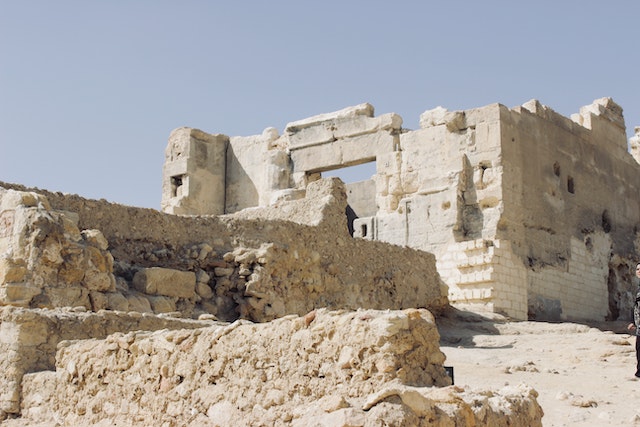
- Angkor Wat, Cambodia: The ancient city of Angkor was hidden in the Cambodian jungle for centuries before being rediscovered. The city includes the iconic Angkor Wat temple complex and other structures that were part of the Khmer Empire.
- Tikal, Guatemala: Tikal is a major archaeological site of the ancient Maya civilization. The city was concealed by the jungle until it was uncovered, revealing impressive temples, pyramids, and other structures.
- Ciudad Perdida, Colombia: Ciudad Perdida, which means “Lost City,” is an ancient city of the Tayrona civilization in the Sierra Nevada mountains of Colombia. It remained hidden until looters stumbled upon its terraced platforms, stone paths, and other structures in the 1970s.
- Palenque, Mexico: Palenque is another significant Maya city that was engulfed by the jungle. Its well-preserved temples and sculptures offer insights into Maya art, architecture, and culture.
- Caracol, Belize: Caracol is a massive Maya city-state that was reclaimed from the jungle in Belize. It boasts a number of large structures and an extensive urban layout.
These discoveries often involve extensive archaeological work, including excavations, surveys, and the use of modern technology like LiDAR (Light Detection and Ranging) to map and reveal hidden structures beneath the dense vegetation.
Archaeologists identify Roman Road Network
Archaeologists have identified and studied the extensive road network built by the ancient Romans. The Roman road network was a crucial component of their empire, facilitating trade, communication, and military movements. These roads were known for their durability and engineering excellence, often featuring well-constructed foundations, drainage systems, and precise alignments.
Roman roads were built throughout the vast territories of the Roman Empire, which spanned across Europe, North Africa, and parts of the Middle East. Some of the well-preserved sections of Roman roads can still be seen today in various parts of Europe.
Archaeologists identify Roman roads through a combination of field surveys, historical records, and archaeological excavations. When conducting field surveys, archaeologists look for characteristic features such as the raised embankments, paving stones, or gravel surfaces that were typical of Roman roads. They also study historical sources, including ancient maps and written accounts, to locate the routes of these roads.
Archaeological excavations play a crucial role in confirming the existence of Roman roads. During excavations, archaeologists uncover the road’s construction materials, such as stone slabs or gravel, along with associated artifacts like pottery, coins, and tools. These findings help archaeologists date the road’s construction and understand its historical context.
One famous example of the Roman road network is the Appian Way (Via Appia) in Italy, which connected Rome to the southern regions of Italy. Another notable network is the extensive system of roads built in Britain during the Roman occupation.
Overall, the identification and study of the Roman road network provide valuable insights into the engineering skills, transportation systems, and urban planning of the ancient Roman civilization.
Pilak, a 1000-year-old Tripura archaeological site, 2 others beckoning tourists
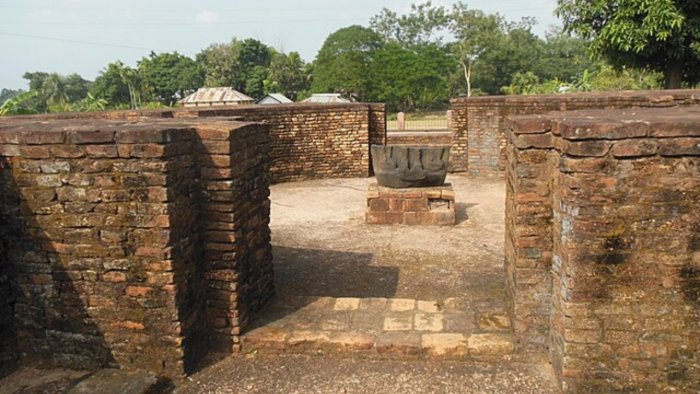
Located in the northeastern state of Tripura, Pilak is a 1000-year-old archaeological site that is attracting tourists due to its historical significance and stunning ruins. The site showcases remnants of the mighty Kachari kingdom, which ruled over the region between the 10th and 18th centuries.
Pilak is renowned for its intricately carved stone sculptures and monoliths that depict gods, goddesses, animals, and mythical creatures. These sculptures provide insights into the cultural and religious practices of the Kachari people. The site also features several terracotta plaques and remnants of ancient temples.
In addition to Pilak, there are two other archaeological sites in Tripura that are gaining attention from tourists. The Unakoti site, located in the Unakoti district, is home to a thousand rock-cut sculptures and bas-reliefs. It is believed to have been a Shaivite pilgrimage site and is famous for its giant rock-cut images of Lord Shiva. The site also features carved figures of other gods and goddesses, along with mythical animals.
The third site, Neermahal, is a unique water palace located in the middle of Lake Rudrasagar in Melaghar. It was built in the early 20th century by Mahar aja Bir Bikram Kishore Manikya Debbarma, the erstwhile king of Tripura. Neermahal served as a summer retreat for the royal family and is a fine example of Indo-Islamic architecture. The palace features a blend of Mughal and Hindu architectural styles, with beautiful domes, arches, and intricate carvings. It offers stunning views of the lake and surrounding landscapes.
These three archaeological sites not only attract history enthusiasts but also nature lovers, as they are surrounded by scenic beauty. The Tripura Tourism Department has been making efforts to promote these sites and develop them as major tourist attractions. They have improved accessibility, built visitor centers, and organized cultural festivals and events to showcase the rich heritage and charm of these places.
Tourists visiting Tripura can explore these archaeological sites and delve into the history, art, and culture of the region. They can admire the architectural splendor, study the ancient sculptures, and appreciate the craftsmanship of the Kachari people. The serene surroundings and natural beauty add to the overall experience, making it a memorable trip for every visitor.